What they love
The world people pick says a lot. Mine was our commute through Makati: stray cats, matcha lattes and kwek kwek from the street carts. You find out what people notice and care about.
 At work
A Learn Awesome project
Team building workshop · Half or full day
Solo, in pairs or in small groups, your people design a retro game on paper, build it with your own AI tools, then play each other's games. Half a day or a full day. No coding. Everyone takes the book home to make one with a kid they love.
Where this came from

I'm a professional uncle. Uncle by blood to my niece Harper, and Uncle Steve to a few other kids whose families have made room for me. I'm not a parent, so I get to choose what I bring to those relationships.
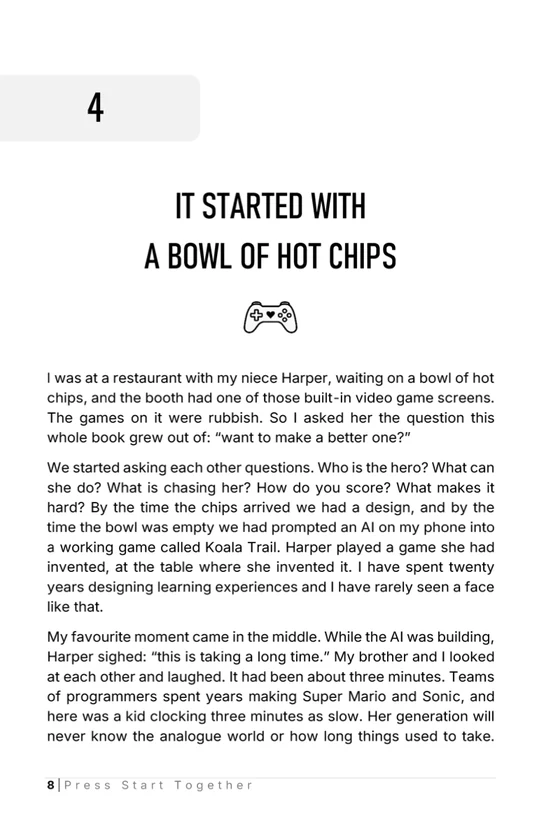
One night Harper and I were waiting on hot chips at a restaurant. The booth had built-in games and they were rubbish. So we made our own. Who's the hero? What's chasing her? How do you win? By the time the bowl was empty, we were playing it on my phone.
Then it happened again. And again.
Those afternoons became a book: Press Start Together, a guide for the significant adults in a kid's life to make a game with them.
See the book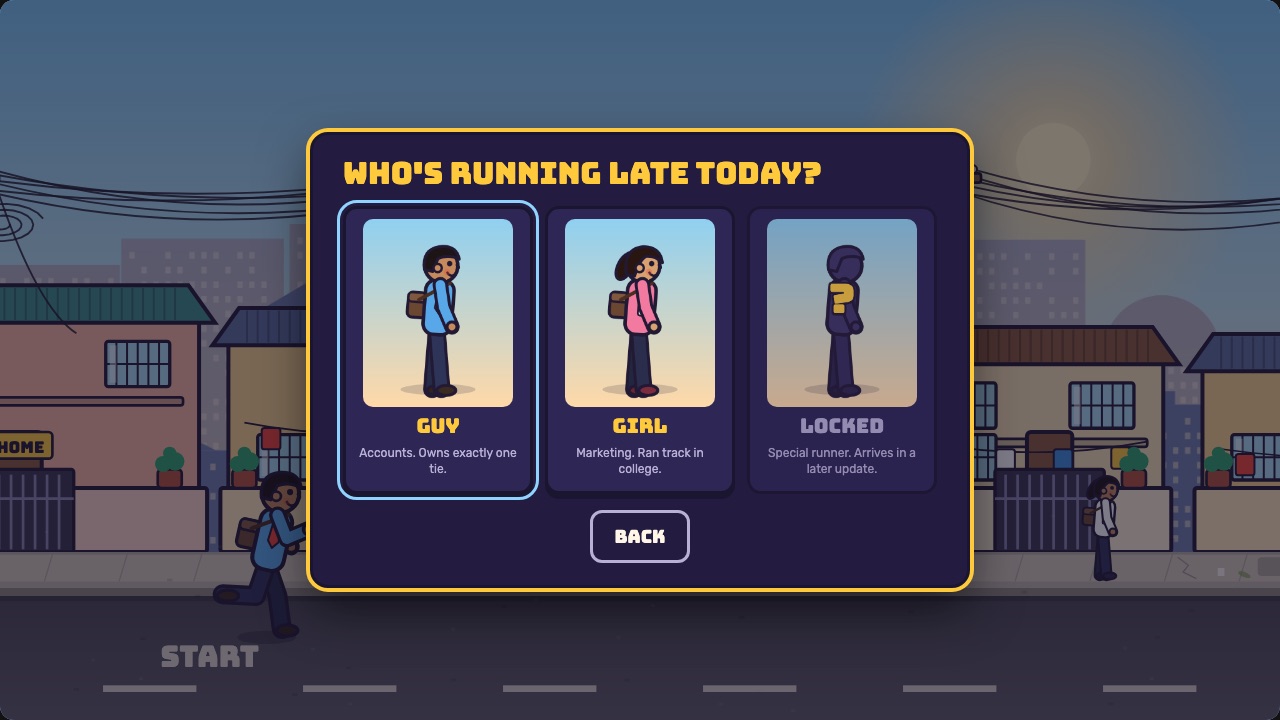
Rush Hour Makati, built at our team day. Pick your runner.
Kids don't hold back. Give them a blank page and they tell you exactly what they love. I wanted to know if adults would do the same.
So I ran it with the Learn Awesome team. A couple of hours on paper, then AI did the coding. They argued about who the good guy is, what the power-ups do and how you win. And they told me more about themselves in one afternoon than in a year of meetings.
What I learnt about my team
The world people pick says a lot. Mine was our commute through Makati: stray cats, matcha lattes and kwek kwek from the street carts. You find out what people notice and care about.
Some people draw. Some write the rulebook. Some pitch the story out loud and act it out. You see who comes alive when they get to make something.
Our Head of Delivery, a true systems person, wrote the tidiest game plan you've ever seen. Teamed up with one of our creatives, they came at the same game from opposite ends. That's the good stuff.
Two of the team built a game full of small symbolic moments. The games weren't perfect, and that's the point. What people choose to put in tells you who they are.
Why it works
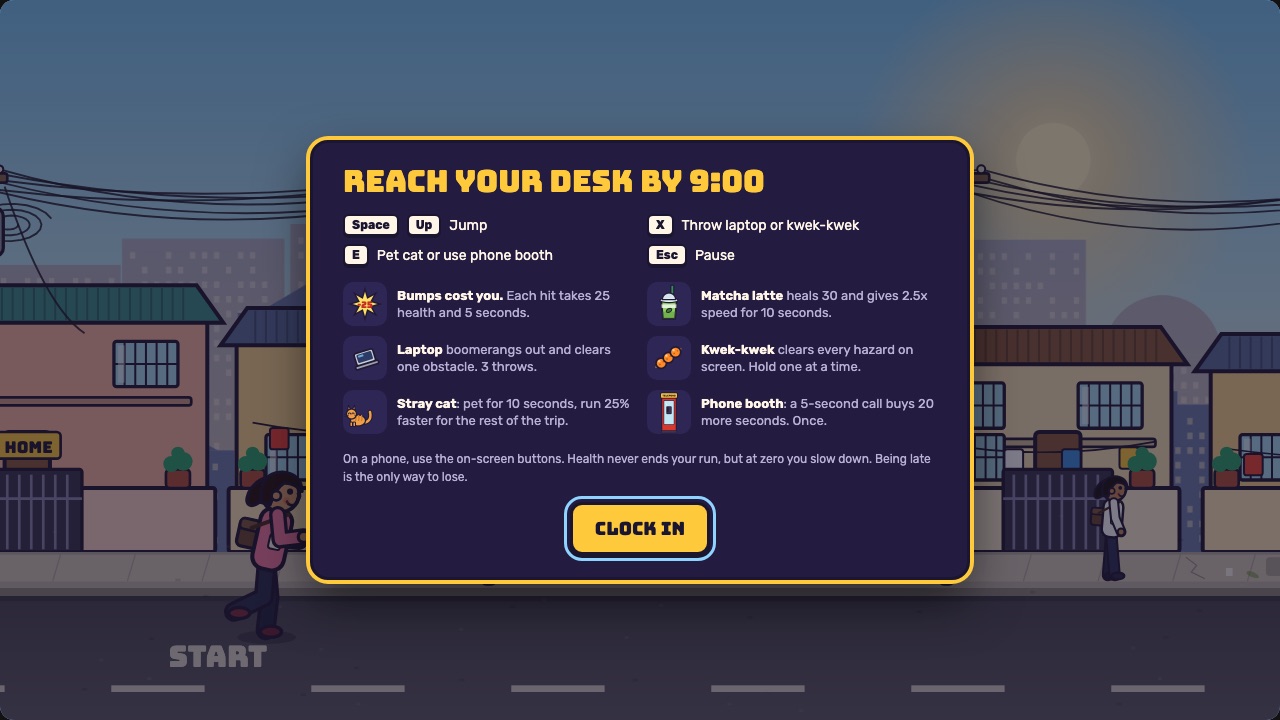
Matcha lattes, kwek kwek and stray cats. Our walk to work, in our game.
In almost two decades of running rooms, it's one of the most amazing sessions I've ever facilitated.
For a few hours I got a glimpse into their worlds. Literally. They built them, and invited me in. What makes them laugh, what they notice on the way to work, what they'd build if nobody told them what to build.
How the workshop runs
Solo, in pairs or in small groups. Mixed on purpose: a systems thinker with a creative, someone quiet with someone loud.
The hero, the baddies, the power-ups, the rules, the world. No screens yet.
The worksheets become the prompt. The AI does the coding. Everyone ends up with a working game.
Every game gets presented, then everyone plays everyone's game. Awards and high scores.
Hiding the veggies in the sauce
They are. They're also working through the big topics every organisation is wrestling with right now: AI, leadership, connection, and where people fit as the technology moves.
Nobody sits through a slide about any of it. It's all in the sauce.
What everyone walks away with
They see how each other thinks, leads and listens.
A real build on tools they already have. No slides about AI.
Rules, incentives and feedback loops, learned by playing with them.
The games stay inside your organisation to share and celebrate.
A copy of Press Start Together each, to run the same workshop with a kid they love.
The book they take home
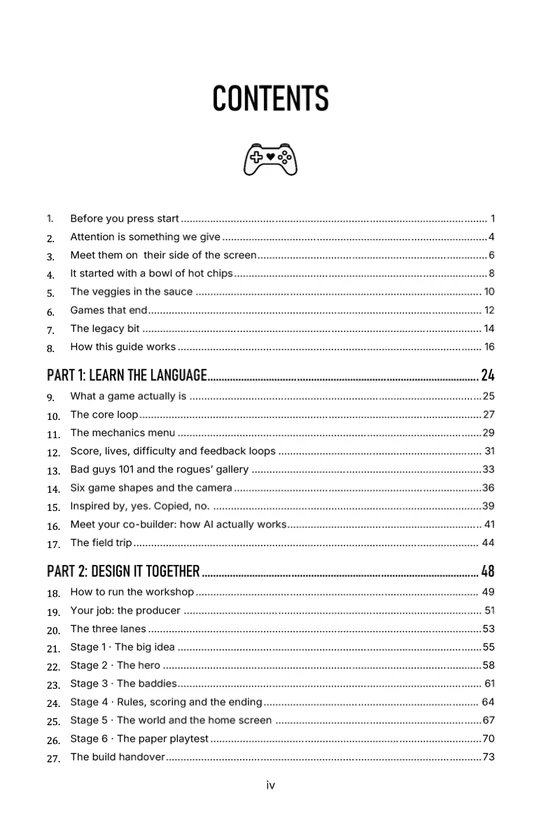
Around 100 pages, written for the adult. Everyone leaves with a copy, so they can run the same thing at the kitchen table with a kid they love. Learn it once. Make unlimited games.
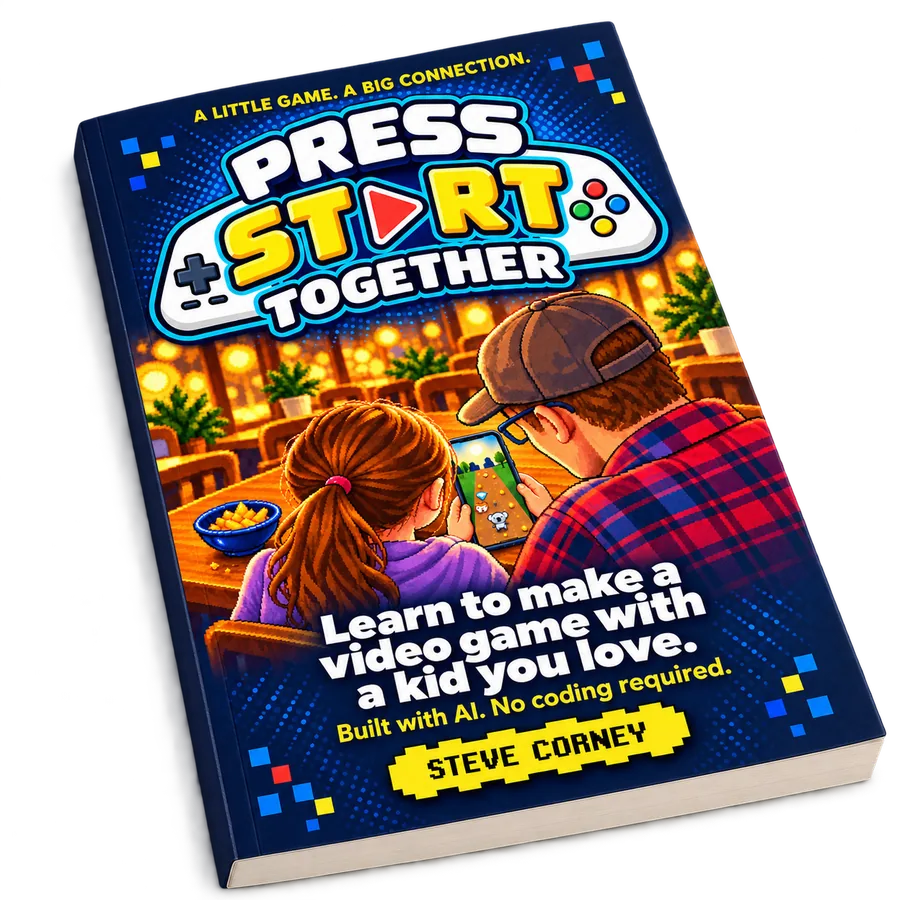
Look inside
How the book works
 1
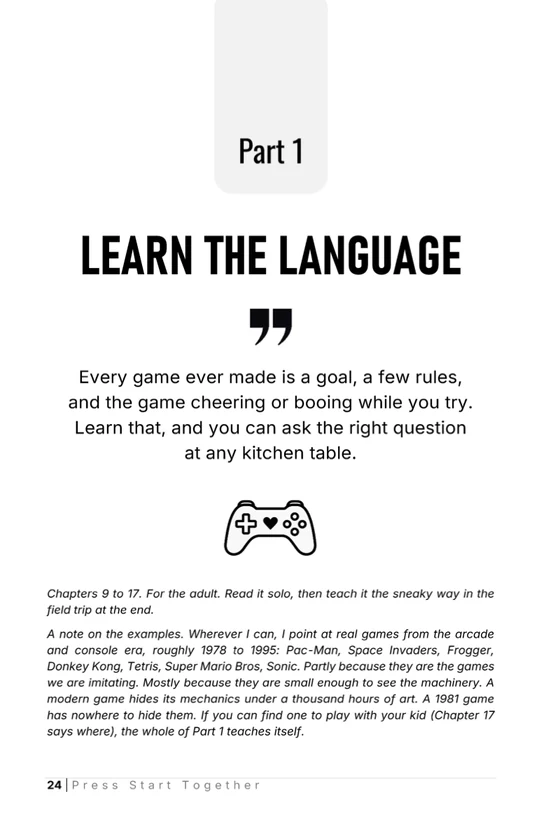
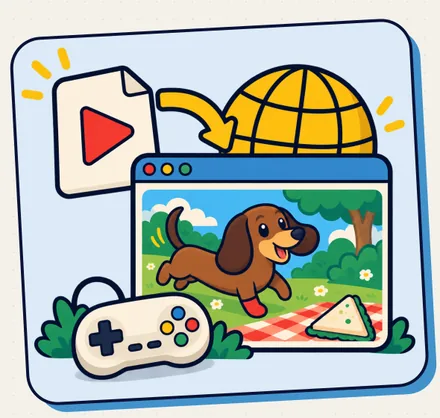
Thirty minutes for you, with a cuppa, before the kids are involved. What a game actually is, how AI actually works, and a field trip into their favourite game.
 2
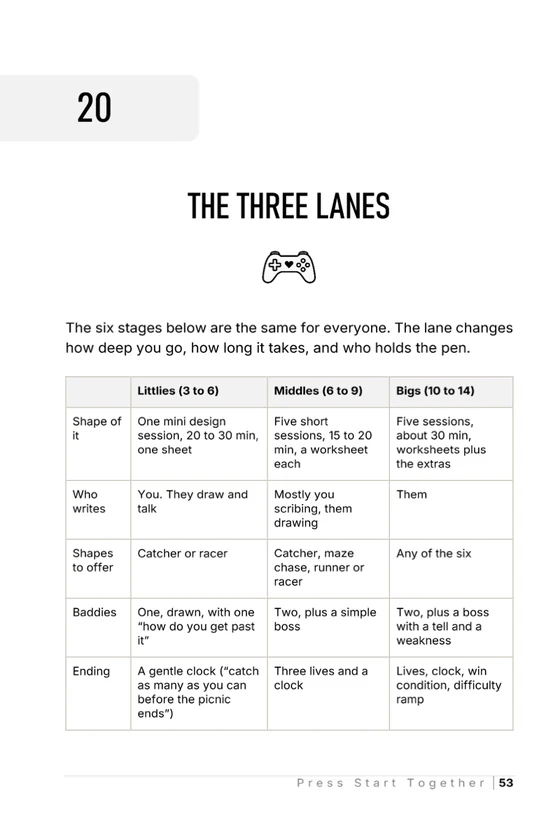
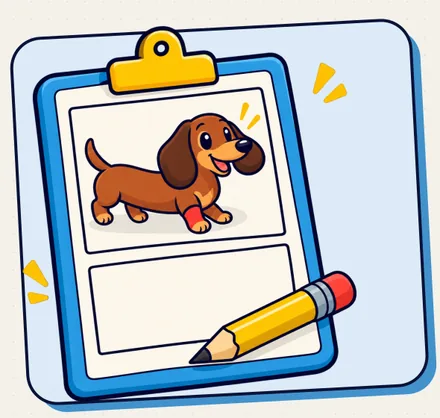
Six short sessions on paper: the big idea, the hero, the baddies, the rules, the world, the paper playtest. You ask. They make every creative call. No screens yet.
 3
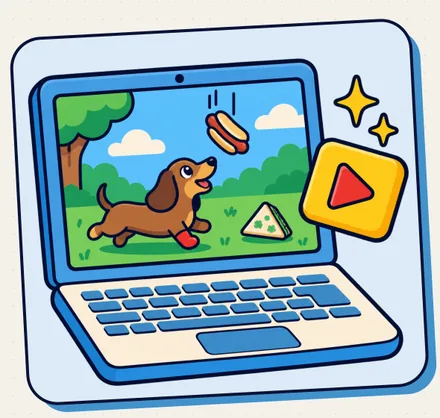
Hand the sheets to the AI one step at a time. With the kids beside you, or overnight while they sleep. Copy-paste prompts for every stage. About an hour.
 4
The reveal. Launch night. The fridge page, the QR code, the family leaderboard. A certificate, a letter from you, a folder that outlasts the game.
Sample run sheet · half day
Going full day? You get everything here plus a second build round: custom artwork, deeper playtesting and a polished arcade.
| Time | Stage | What happens |
|---|---|---|
| 0:00 | Press start | Why retro, the rules of the room, everyone teams up |
| 0:20 | Learn the language | What a game is: the loop, the rules, the score, an ending |
| 0:35 | Design on paper | Big idea, hero, baddies, power-ups, rules, world |
| 1:35 | Paper playtest | Rulebooks get swapped and poked full of holes, then a break |
| 2:00 | Build with AI | Worksheets become prompts and the AI does the coding |
| 2:50 | Playtest and tweak | Find what's broken, decide what matters, fix it |
| 3:10 | The arcade | Present, play everyone's game, awards |
| 3:30 | Debrief | What we saw in each other. Books handed out |
Pick your game mode
Pure team building. Games set in your world, your city, your office.
The brief is a company theme: values, safety, a launch. The winning game gets polished and shared company wide.
For offsites and conferences. Everyone builds in parallel, Steve hosts, and the arcade closes the day.

Who runs it
Professional uncle and professional problem solver. Almost two decades running rooms as a facilitator, trainer and MC. Founder of Learn Awesome, the learning design agency behind thousands of learning experiences for organisations like CSIRO, Boeing and NAB. He runs AI workshops and designs learning for some of Australia's largest companies. TEDx speaker and author of Press Start Together. Say yes, figure it out, and now he's passing it on.
Questions
I ran it with my own team first. In almost two decades of running rooms, it's one of the most amazing sessions I've facilitated. Everyone built a working game, and I got a glimpse into their worlds.
Yes. It works online and in person. In person is better: the paper, the arguing and the arcade hit differently when everyone is in one room.
No. The AI does the coding. Your people ask good questions, make the creative calls and use the prompts we bring.
Yours. We build on the AI tools your organisation already uses and bring the prompts, templates and worksheets into the room.
No. It works best with a mix. The most interesting games come from people who think differently.
Retro on purpose. Three lives, a clock, a proper ending. The connection is the point, not the pixels.
From $4,999 + GST, half day or full day, in person or online. Every participant gets a copy of Press Start Together. Book a chat and we'll shape it around your team.
Ready player one
Tell me about your team and your date, and we'll work out the logistics. Half day or full day, in person or online, from $4,999 + GST.
Pick a time for a quick chat. It goes straight into my calendar. Rather email or call? That works too.